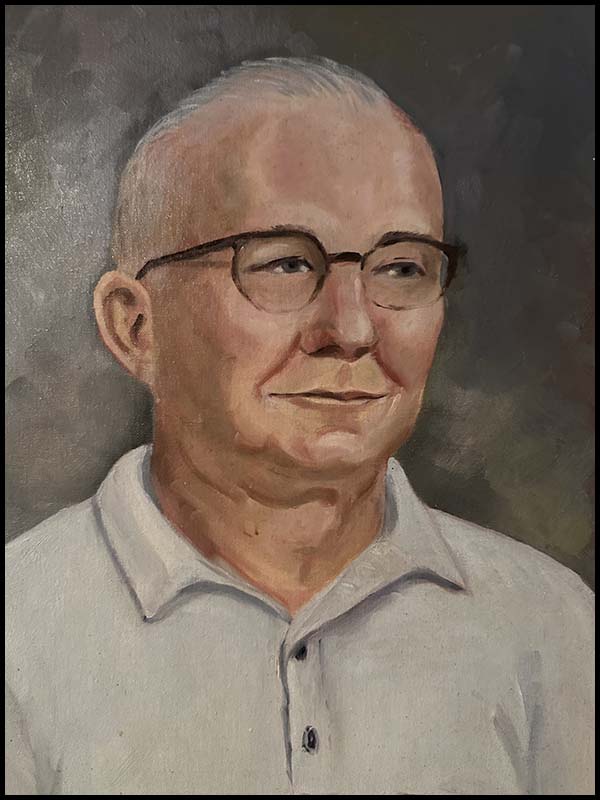
Walter Ignacy Dobarzynski (June 27, 1900–May 8, 1972) was a U.S. Navy aviation machinist. He rose from humble beginnings as an orphan to become an aviation chief machinist’s mate pilot during WWII. This was a rare position, known as a “Flying Chief,” as few enlisted servicemen had pilot status. He was commended on his retirement in 1945, after a 26-year career, for his work on “experimentation and research” in the field Naval aviation research.
1900: Born June 27 in Newark, New Jersey, the son of Polish immigrants Vincent and Sofia Dobarzynski, born 1874 and 1878 respectively. His parents returned to Poland, leaving Walter and his sister Sofie (1905–1996) in the United States.
Raised in Catholic orphanages in Newark and Buffalo areas, possibly the Immaculate Heart of Mary Orphan’s Home in Cheektowaga, N.Y., as it allowed boy and girl siblings to stay together and was led by Polish clergy. According to his daughter, his mother Sophia was Jewish, but the children were raised as Catholics. His middle name “Ignacy” may reflect descent from, or homage to, Ignacy Dobrzyński, the Polish composer and pianist.
1919–1921: Enlisted for two years on August 18, 1919, at the Navy Recruiting Station in Buffalo, N.Y. Physical description: 5'6.", blue-grey eyes, brown hair, ruddy complexion. Trained at Great Lakes, Illinois, then assigned to the 13th Naval District (Puget Sound). Detailed to the Naval Radio Station, Astoria, Oregon (October 1919). Detailed for duty at Cordova, Alaska (January 1921). Honorably discharged and recommended for re-enlistment.
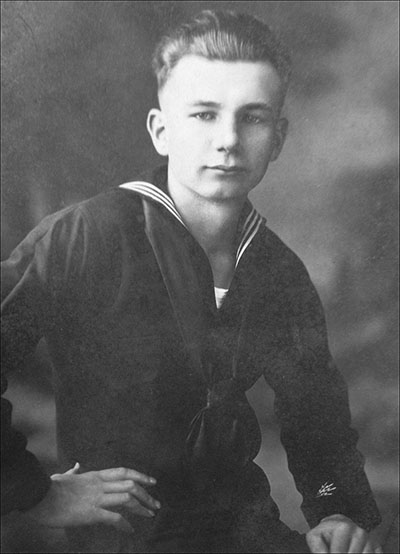
1921–1923: Re-enlisted; stationed at “Pennsylvania,” likely the Philadelphia Navy Yard. Advanced to Radioman third class (July 1921). Continued duty at Cordova Naval Radio Station (1921). Served temporarily on the USS Vestal with the “target repair party” (October–December 1922).
1923–1926: Re-enlisted in Tacoma (August 1923). Stationed in Portland (November 1923–March 1926). Awarded the Good Conduct Medal (January 1924). Promoted to Chief Machinist’s Mate, third class (August 1926).
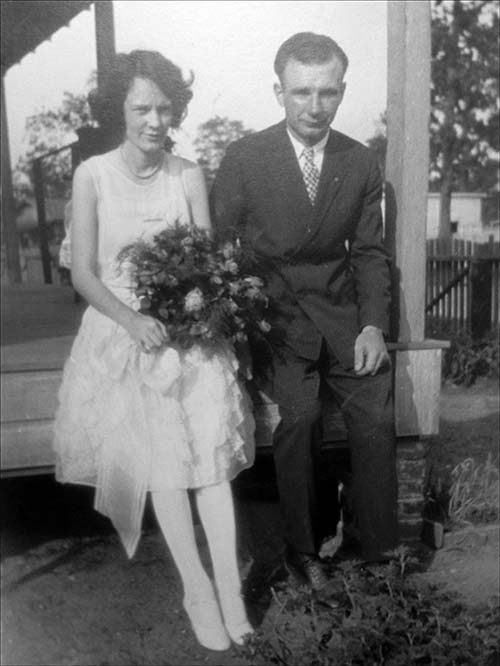
1926–1929: Stationed at NAS Pensacola. Completed courses in gas & oil engines, mathematics, magnetism, and electricity, earning high marks. Promoted to Chief Machinist’s Mate, second class (September 1927). Married Martha Hester Ryals (September 10, 1906–January 28, 1999) of Century, Florida, on May 6, 1927, in Escambia County.
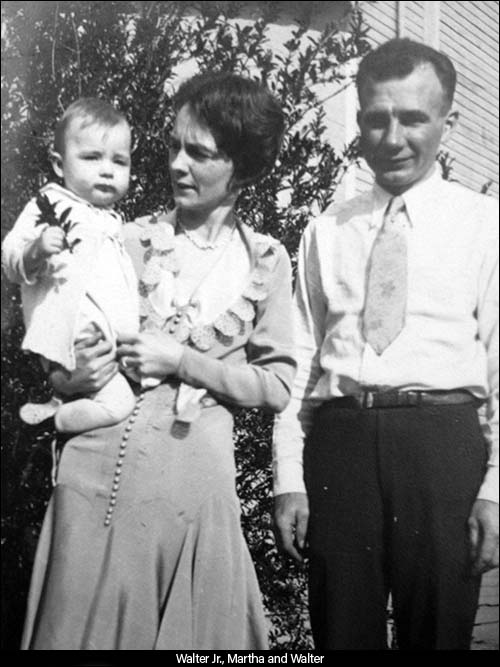
1928–1929: Birth of son Walter Jr. (1928) and son Joseph (1929).
1929–1930: Served with VO Squadron 5-B in Colorado (June–December 1929). Transferred with squadron to San Diego (January–February 1930).
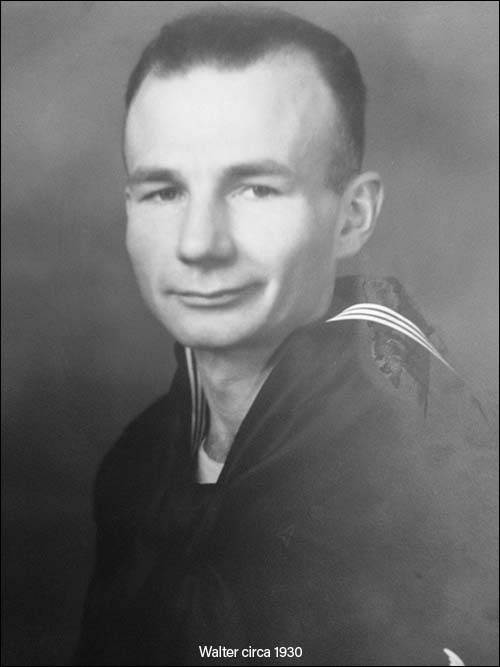
1930–1932: Stationed again at NAS Pensacola. Awarded a Good Conduct pin (June 1930). Ordered to duty involving flying (June 1930). Completed Aviation Machinist’s Mate, third class, course (January 1931).
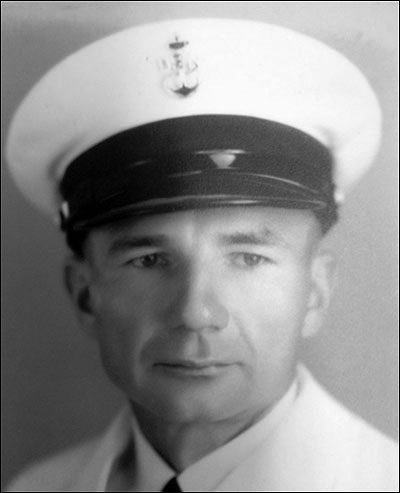
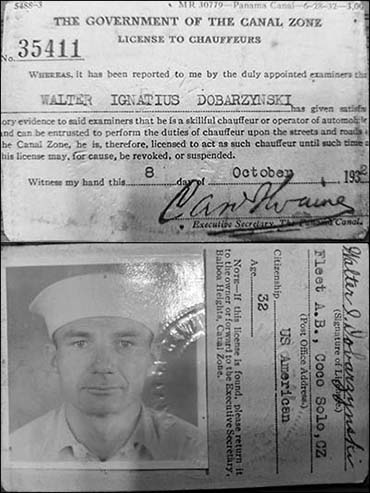
1932–1934: Stationed at Coco Solo, Canal Zone, Panama (September 1932–February 1934). Family accompanied him.
1934–1935: Daughter Martha born in Jacksonville (1934). Served at Norfolk, Portsmouth, and Hampton Roads with sea duty aboard the USS Ranger. Promoted to Aviation Machinist’s Mate, first class (November 1934). Took part in Ranger’s 1934 cruise: crossed the equator August 25, visited Rio de Janeiro, Montevideo, and Buenos Aires (September).
1935–1938: Stationed at NAS Pensacola. Completed Bureau of Navigation advanced course for Aviation Chief Machinist’s Mate (March 1937). Training included: aircraft engines, propeller and fuel systems, ignition/electrical systems, airframes, shop practices, flight line operations, leadership and supervision.
1938–1940: With Patrol Squadron 7 (VP-7) in Seattle; later redesignated VP-11 in San Diego. Operated with long-range patrol aircraft (PBY Catalina, PBM Mariner, early P2V Neptune). Duties included pre- and post-flight maintenance, inflight engine monitoring, and supporting long-range anti-submarine and reconnaissance missions. Completed Sperry Gyroscope Co. course (June 1940).
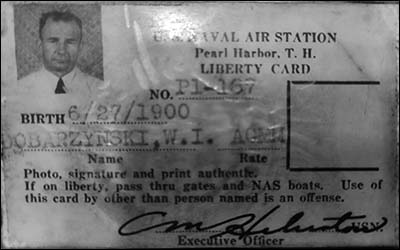
1941: VP-11 transferred to Pearl Harbor (February), redesignated VP-21 (March). Status changed to Aviation Chief Machinist’s Mate, Aircraft Armorer (June). Admitted to base hospital August 14, from a seaplane crash. According to family memory, the Catalina was flying low when it struck the beach. He survived but suffered severe back injuries, ending his flying career and causing chronic pain for the rest of his life. Transferred to San Diego hospital (September). Brief assignment to VP-13 (November) and a transport training squadron (December).
December 7, 1941: Family anecdote: While traveling north to a new duty assignment, Walter, Martha, and their children were crossing the Golden Gate Bridge when they heard the news of the Japanese attack on Pearl Harbor over the radio. Walter immediately pulled off the road to call in for orders. This fits with his reassignment at the time, moving toward Tongue Point, Oregon.
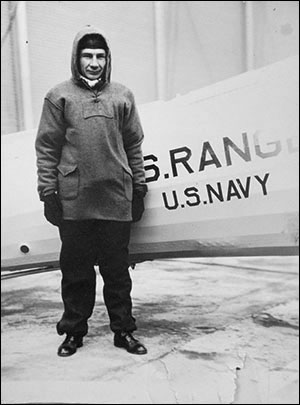
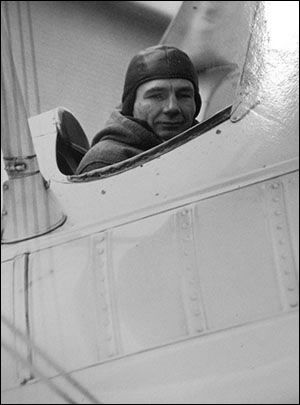
1942: Alternated between Tongue Point and Puget Sound hospital due to crash injuries. Reassigned to NAS Jacksonville (March). Last rating recorded (June): ACMM (PA)—Aviation Chief Machinist’s Mate (Pilot–Aviation), an enlisted pilot status also known as a “Flying Chief.” He retained this PA pilot status through the end of his active service.
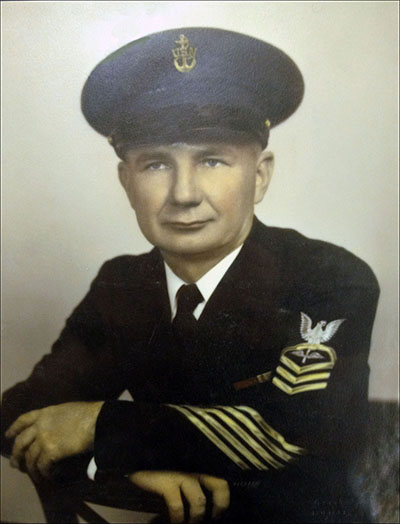
1944–1945: Retired December 1944 but retained on active duty until March 1945. Released to inactive duty, still listed with PA pilot designation at the end of his career.
1945: A letter from the secretary of the Navy said that during his service in the Navy, from August 18, 1919, to April 19, 1945, Dobarzynski was “active in many phases of experimentation and research in the Naval Aviation field.” The letter noted his work on “assembly and repair operations ashore, battleship and carrier operations afloat, and in the training and examination of enlisted students in fleet and air phases of the Navy.”
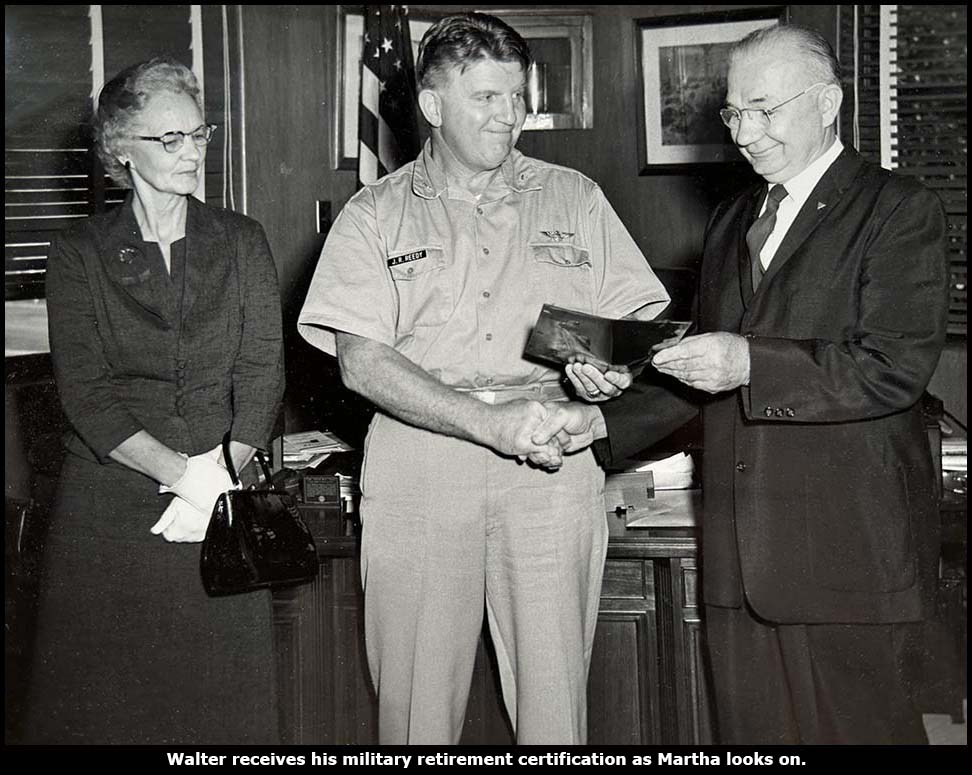
1945–1960: Worked as a civilian at NAS Jacksonville. Positions: Aircraft Mechanic (Motor), Quarterman Aircraft Mechanic (Motor). Promoted to Quarterman in October 1948, a supervisory grade above Leadingman but below Foreman. A Quarterman was a working supervisor: still hands-on with engines and systems, but also responsible for directing, training, and assigning work to crews of mechanics. This role recognized both his technical mastery and leadership ability. At home, he created finely crafted furniture, tools, and go-carts for his grandchildren in his garage machinist’s shop. He was an avid reader of the Polish exile and mariner novelist Joseph Conrad.
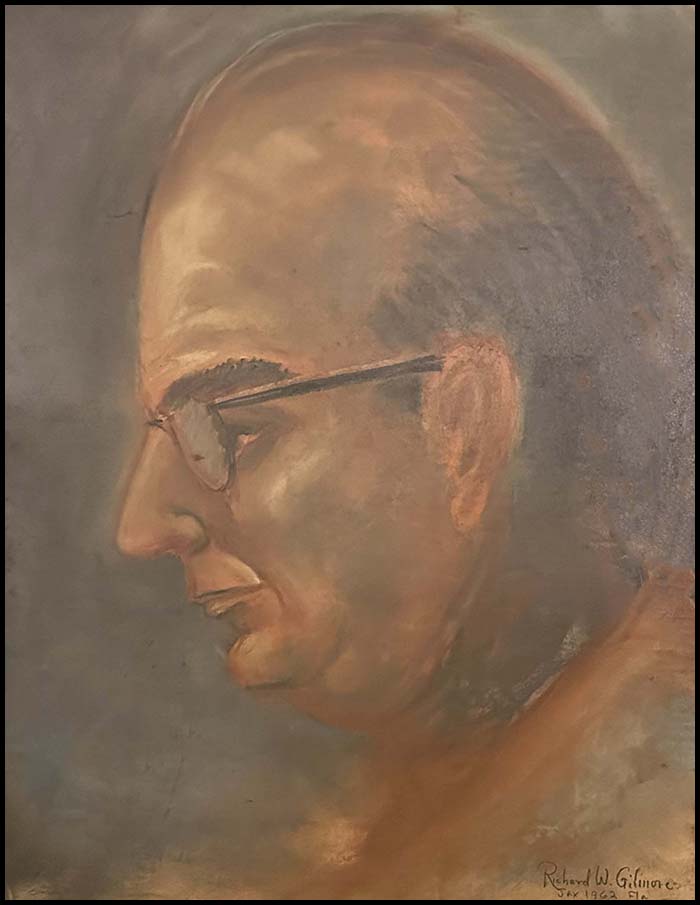
1962: Portrait by Richard W. Gilmore, Jacksonville.
1972: Died in his sleep on May 8, 1972. Buried with his wife Martha at Riverside Memorial Park, Jacksonville.
N.B. The portrait at the top was painted by L. Staples.